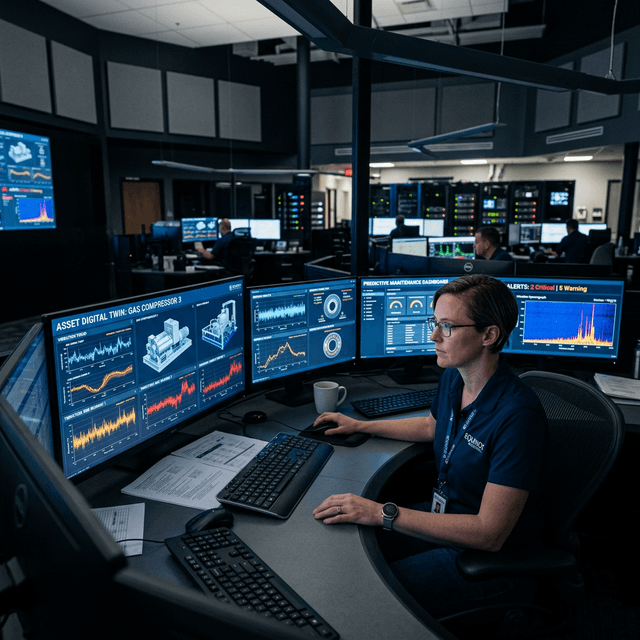
การตรวจจับความเสี่ยงของอุปกรณ์หมุน
ตรวจจับรูปแบบการเสื่อมสภาพตั้งแต่ระยะแรกในปั๊ม คอมเพรสเซอร์ มอเตอร์ และสินทรัพย์สำคัญอื่น ๆ ก่อนที่จะกลายเป็นความเสียหาย
Predictive Maintenance สำหรับงานปฏิบัติการอุตสาหกรรม
เปลี่ยนจากการบำรุงรักษาที่ขับเคลื่อนด้วยสัญญาณเตือน ไปสู่การบำรุงรักษาเชิงคาดการณ์ด้วย AI โดยอาศัยข้อมูลเซ็นเซอร์อุตสาหกรรม ดิจิทัลทวิน และการปฏิบัติการแบบวงจรปิด
ความสามารถหลักที่สร้างคุณค่าด้านการปฏิบัติงานตามที่หน้าเพจนี้นำเสนอ
รวมข้อมูลสั่นสะเทือน อุณหภูมิ กระบวนการ historian และบริบทของอุปกรณ์ผ่าน Data Fusion Services เพื่อให้ทุกการวินิจฉัยเริ่มจากบริบทการปฏิบัติงานจริง
FactVerse AI Agent แยกความเสื่อมที่เริ่มเกิดขึ้นออกจากความผันผวนตามปกติของการเดินระบบ และลด false alarm
ตรวจสอบสถานะอุปกรณ์ภายใน twin ทำความเข้าใจความสัมพันธ์ของสินทรัพย์ และยืนยันการตัดสินใจก่อนสั่งงานภาคสนาม
เชื่อมจากการตรวจพบ ไปสู่ใบสั่งงาน การปฏิบัติหน้างาน และการยืนยันผล ผ่าน Inspector และ workflow การบำรุงรักษาที่เชื่อมต่อกัน
ตัวอย่างการใช้งานจริงและสถานการณ์ที่พิสูจน์แล้วในหลายอุตสาหกรรม
ตรวจจับรูปแบบการเสื่อมสภาพตั้งแต่ระยะแรกในปั๊ม คอมเพรสเซอร์ มอเตอร์ และสินทรัพย์สำคัญอื่น ๆ ก่อนที่จะกลายเป็นความเสียหาย
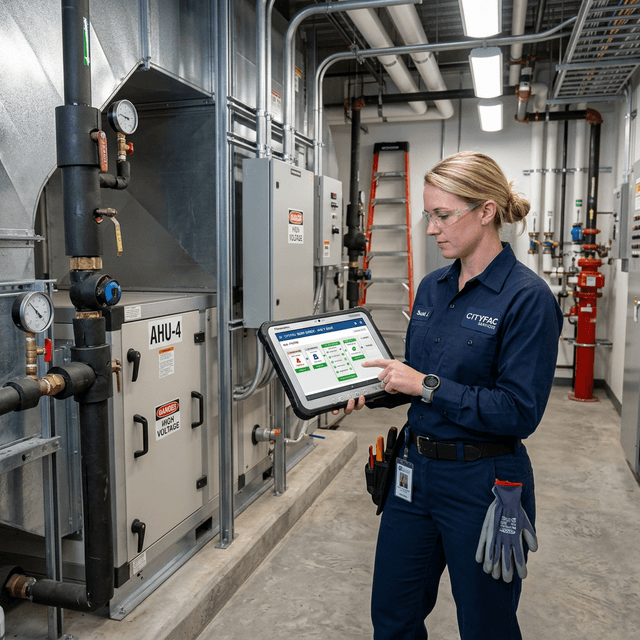
วิเคราะห์สัญญาณจากเซ็นเซอร์ บริบทของกระบวนการ และความสัมพันธ์ของสินทรัพย์ร่วมกัน เพื่อจัดลำดับความสำคัญของงานบำรุงรักษาได้เร็วขึ้น
เชื่อมการทบทวน anomaly การวางแผนบำรุงรักษา การดำเนินงานภาคสนาม และการยืนยันผลเข้าด้วยกันในลูปการปฏิบัติการเดียว
PdM มอบวงจรการตัดสินใจให้ทีมปฏิบัติการ แทนที่จะเป็นกำแพงของสัญญาณเตือน ด้วยการผสานข้อมูลเซ็นเซอร์อุตสาหกรรม บริบทของสินทรัพย์ การวิเคราะห์ด้วย AI และดิจิทัลทวิน ทีมงานจึงมองเห็นได้ว่ามีอะไรเปลี่ยนไป เหตุใดจึงสำคัญ และควรดำเนินการอย่างไรก่อนที่จะเกิด downtime
PdM รวมการรับรู้จากเซ็นเซอร์ที่เชื่อถือได้ บริบทของสินทรัพย์ การวิเคราะห์ด้วย AI และการทบทวนในทวิน เพื่อให้ทีมประเมินความเสี่ยงด้านการบำรุงรักษาได้ด้วยบริบทที่ครบกว่าเดิมและลดการคาดเดา
แทนที่จะรอให้สัญญาณเตือนตามค่าเกณฑ์ดังขึ้นก่อน ทีมสามารถทบทวนปัญหาที่กำลังก่อตัวในบริบทจริง จัดลำดับสินทรัพย์ที่ควรดูแลก่อน และเข้าสู่การบำรุงรักษาแบบวางแผนได้เร็วขึ้น
| ตัวชี้วัด | ผลลัพธ์ |
|---|---|
| การทบทวนสัญญาณได้เร็วขึ้น | ระบุและจัดลำดับปัญหาการบำรุงรักษาที่กำลังก่อตัวได้เร็วขึ้น |
| Downtime ที่ไม่ได้วางแผน | ลดลงจากการเข้าแทรกแซงที่เร็วขึ้นและการบำรุงรักษาที่วางแผนได้ |
| False alarm | ลดลงด้วยการวิเคราะห์แนวโน้มและการวินิจฉัยตามบริบท |
| การดำเนินงานบำรุงรักษา | ส่งต่องานจากการตรวจจับสู่การปฏิบัติการภาคสนามที่ยืนยันแล้วได้เร็วขึ้น |
จุดเริ่มต้นทั่วไปคือ vibration, temperature, current, pressure, historian tags, บันทึกการตรวจสอบ และ metadata ของอุปกรณ์ โดย Data Fusion Services จะเชื่อมทั้งหมดให้เป็น operational model เดียว
Threshold จะตอบสนองหลังจากค่าข้ามขีดจำกัดแล้ว ขณะที่ PdM ประเมินแนวโน้ม พฤติกรรมของอุปกรณ์ และบริบทการปฏิบัติงานเพื่อให้การเตือนที่เร็วและน่าเชื่อถือกว่า
ได้ Inspector และ API ที่เชื่อมต่ออยู่สามารถส่งผลการตรวจจับเข้าไปยังระบบ work order และ maintenance เดิมของทีมได้ โดยไม่ต้องเปลี่ยน maintenance stack ทั้งหมด