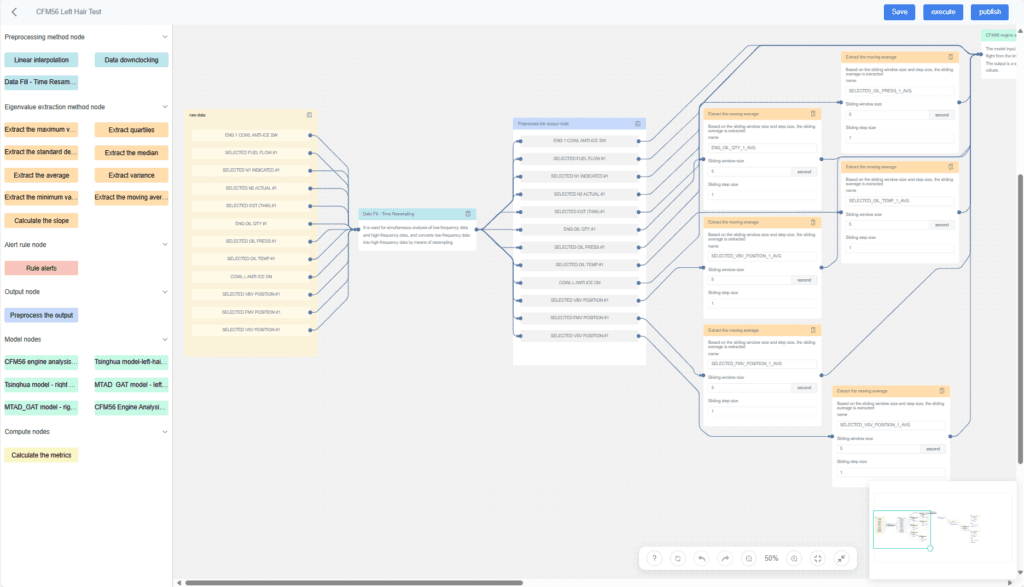
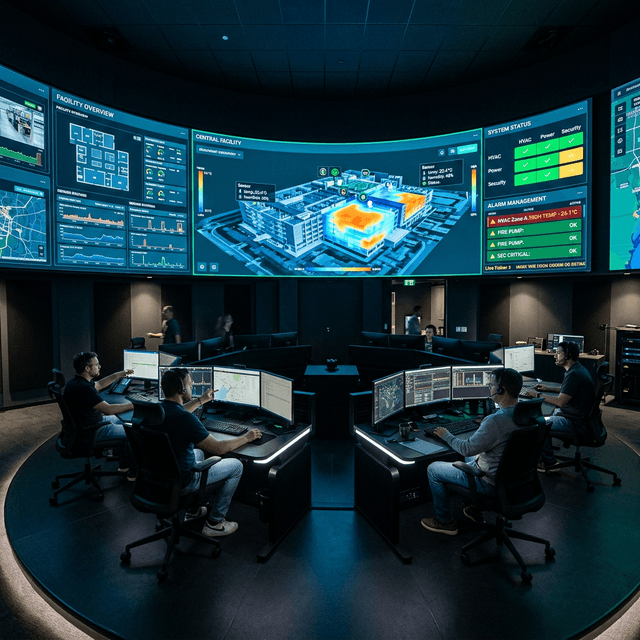
One operating view across facility systems
Connect BMS, CMMS, IoT, historian, energy, inspection, and enterprise data so facility teams can work from shared asset and operating context.
Turn fragmented industrial data into trusted operational context
Data Fusion Services connects fragmented industrial data, aligns it with real assets and operations, and creates a trusted foundation for digital twins, facility workflows, analytics, and AI.
DFS Pro
Move equipment data into operations with less manual mapping
FactVerse Scout helps engineering teams discover equipment data, align it with assets and models, and publish reviewed connections through DFS Pro.
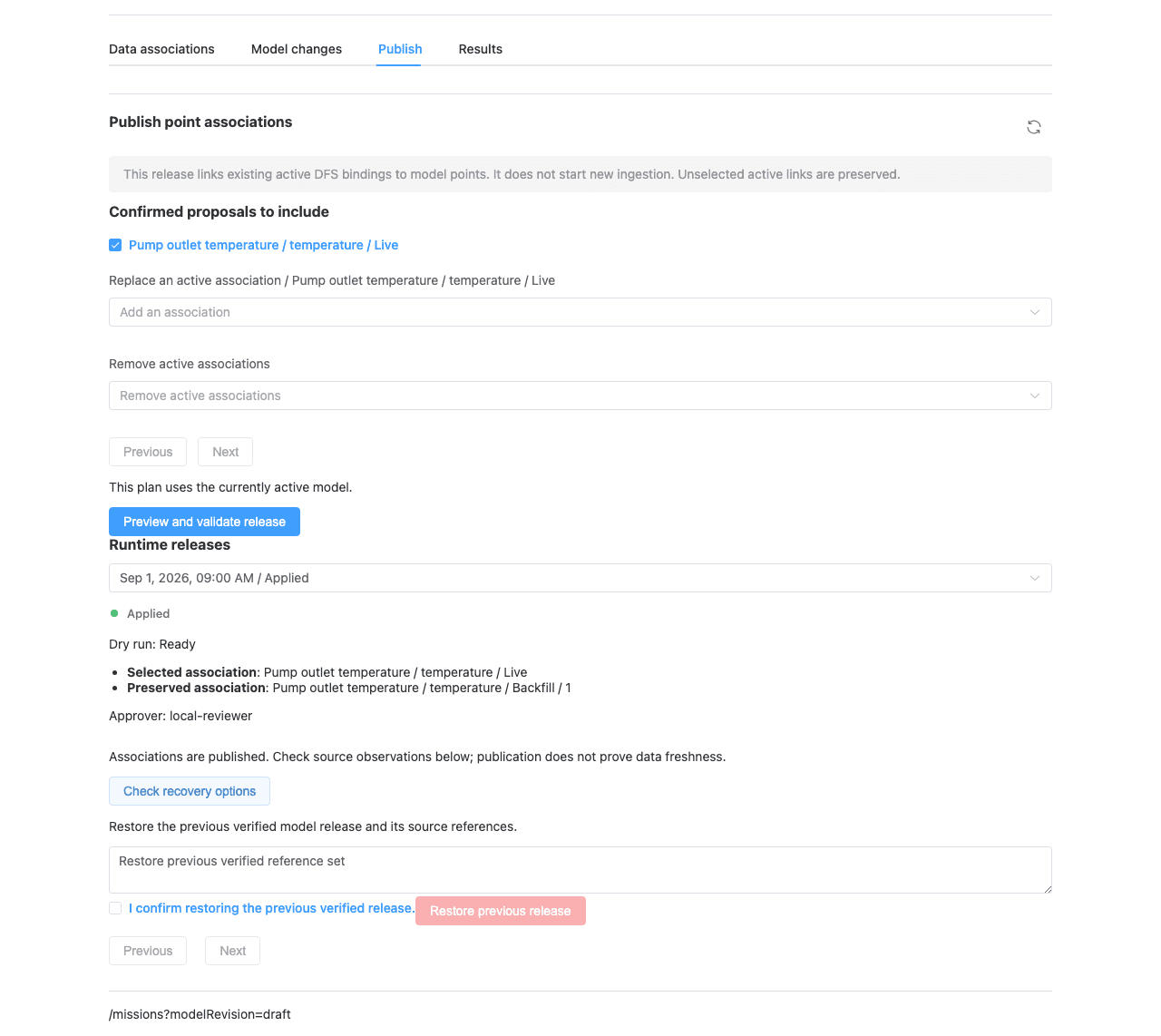
Connect existing systems, align asset identity, make quality visible, and deliver trusted context to digital twins, operations, analytics, and AI.
Bring together BMS, SCADA, CMMS, EAM, historians, IoT platforms, databases, files, and enterprise systems through standard protocols and reusable connectors.
Match equipment, locations, tags, and work records that use different names or identifiers, creating a consistent operational view across sites and source systems.
Identify missing values, duplicates, unit conflicts, timestamp gaps, and changing schemas before they affect dashboards, models, or operations.
Turn repeated mapping, cleansing, calculation, and fusion work into governed datasets and reusable workflows that can serve multiple teams.
Provide contextualized operational data for FactVerse AI Agent, predictive maintenance, machine-learning workflows, BI, and reporting while preserving source and quality context.
Bind equipment status, alarms, measurements, and calculated indicators to FactVerse scenes so teams can understand what is happening and where.
Start with a visible business outcome, prove the data is useful, and expand from a foundation teams can trust.
Connect BMS, CMMS, IoT, historian, energy, inspection, and enterprise data so facility teams can work from shared asset and operating context.
Align duplicate and inconsistent equipment, location, provider, and work records across sites and systems without hiding their original source.
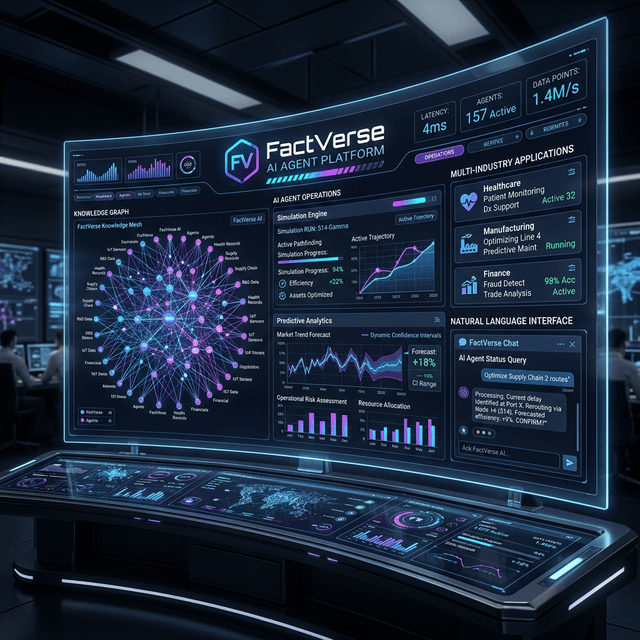
Give digital twins, predictive maintenance, reporting, and AI Agent workflows data that carries clear meaning, quality, and lineage.
Industrial data is rarely missing. It is usually scattered across controls, sensors, maintenance systems, spreadsheets, databases, and cloud services, each with different names, structures, and owners. Data Fusion Services turns that fragmentation into operational context teams can trust and use.
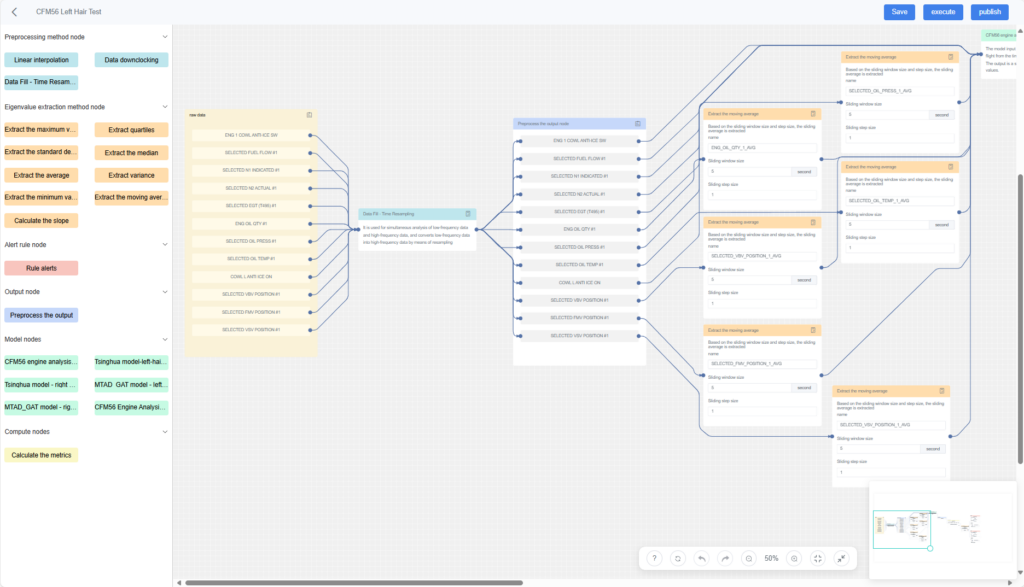
Data Fusion Services connects operational technology, enterprise applications, documents, files, and cloud platforms while preserving where each record came from. Teams can combine live signals with asset, work-order, inspection, energy, and business context instead of building another isolated data store.
The same equipment may have different names in a BMS, CMMS, spreadsheet, and digital twin. Data Fusion Services helps teams reconcile those identities, review conflicts, and keep the original source visible. The result is a consistent operational view without pretending that source-system differences do not exist.
Once data has clear identity, quality, and context, the same foundation can support live digital twins, facility operations, predictive maintenance, energy review, reporting, and FactVerse AI Agent. Each connected workflow adds reusable knowledge instead of creating another one-off integration.
The strongest starting point is not “connect everything.” Choose one visible result: a reliable asset view, a cross-system work-order picture, a live facility twin, or a dataset for predictive maintenance. Prove that the data is useful with the team that owns the outcome, then expand from a trusted foundation.
Start with one outcome such as a unified facility view, trusted equipment registry, predictive-maintenance dataset, or live digital twin. DataMesh maps the required sources and validates the result with the people who own and use the data before expanding.
Data Fusion Services follows a license and services model: (1) Node/Server License covers on-premises or private-cloud deployment to host the Data Fusion Services environment and manage data processing tasks. (2) Optional Service Fees include customization or integration services for specific use cases or advanced AI/ML configurations.
Data Fusion Services uses standard industrial protocols, APIs, database connections, files, and reusable adapters to work with existing BMS, SCADA, CMMS, EAM, MES, ERP, historian, IoT, and cloud environments.
No. Source systems can remain in place. Data Fusion Services connects and contextualizes their data so digital twins, operations teams, analytics, and AI can work from a consistent view while source records remain traceable.
Deployment can be designed for cloud, private-cloud, on-premises, or hybrid environments according to customer security, connectivity, and data-residency requirements.
Continue with the most relevant products, solutions, guides, and public references for this topic.